SEOBegin
SEO audit suite
Start audit
website-audit

SEO Audit for Static Sites

Static Sites site owners need a focused seo audit that explains issues in platform-specific terms.

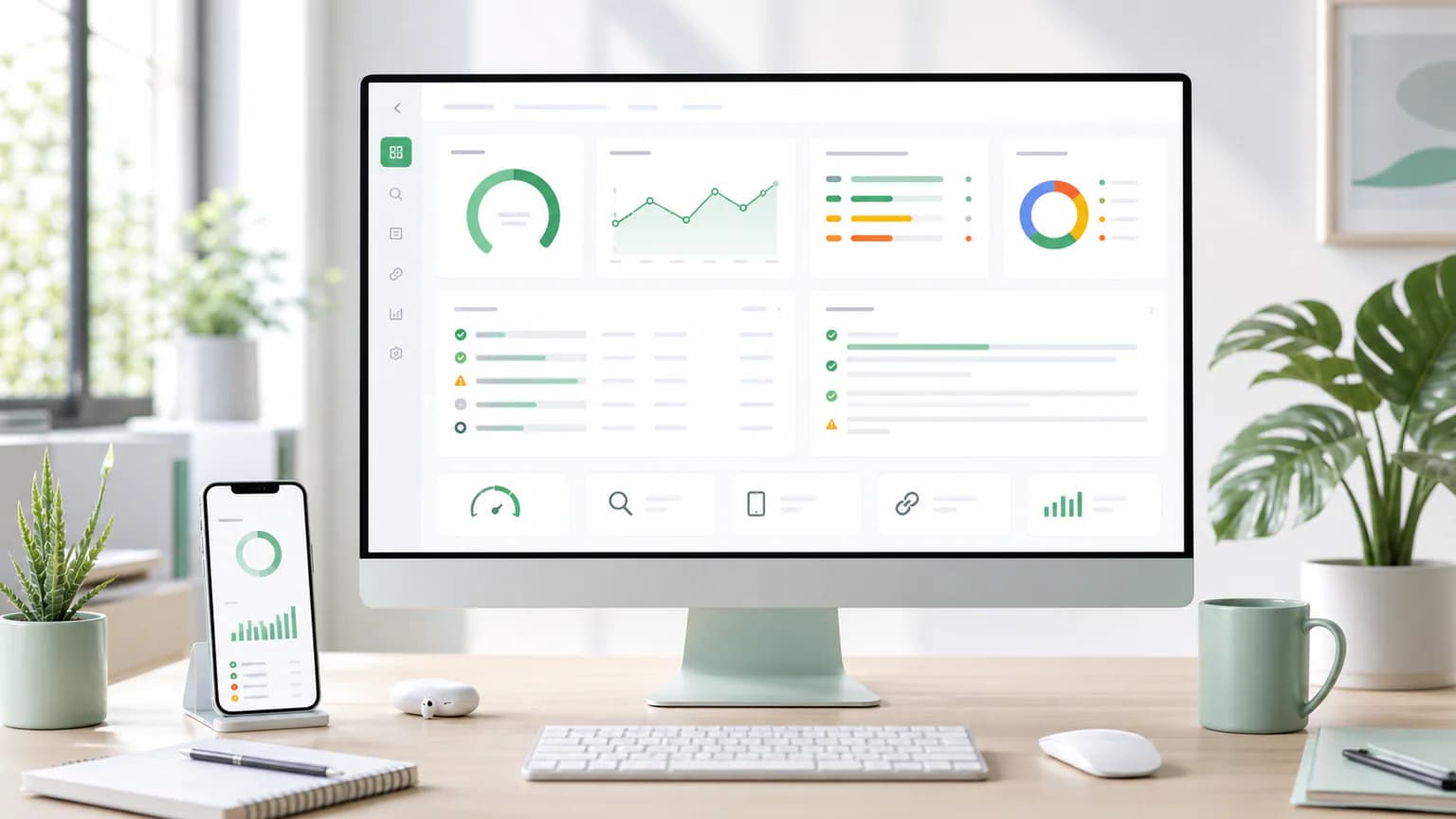
SEO Audit for Static Sites analysis workspace with audit cards and optimization notes
Clear audits, useful recommendations, and focused next steps.
website-audit SEO playbook
Search readiness

SEO Audit for Static Sites needs more than a simple score

SEO Audit for Static Sites should review the complete page experience: crawl access, metadata, content usefulness, structured data, media quality, internal links, and the clarity of the offer or answer on the page.

Confirm that search engines can discover, crawl, and understand the URL.
Check whether the page clearly satisfies the visitor's intent.
Improve the parts that influence clicks, trust, and engagement.
Content depth

Build pages that answer before they sell

Strong SEO pages explain the problem, give the visitor a useful next step, and make the page easy to scan. That means descriptive headings, concise summaries, helpful examples, and supporting sections that make the page feel complete.

Use direct headings that match how users describe their problem.
Add FAQs for objections, definitions, and decision-stage questions.
Connect related pages with internal links so visitors can keep moving.
Technical polish

Make the page easy to crawl and fast to trust

Technical SEO supports everything else. Clean canonicals, sensible robots directives, fast loading, compressed media, descriptive alt text, and schema markup all help a page look more reliable to users and search systems.

Keep titles and descriptions unique and helpful.
Use schema only when it accurately represents visible page content.
Compress images and avoid layout shifts on mobile.

SEO Audit for Static Sites strategy

Who it helps

SEO Audit for Static Sites for real SEO workflows

SEO Audit for Static Sites is built for content teams, SEO strategists, founders, and agencies using AI-assisted workflows. The page review should connect technical signals, content quality, and conversion intent instead of stopping at a generic checklist.

Use it when you are dealing with generic AI output, weak briefs, missing entities, thin outlines, and content that does not answer follow-up questions.
Use the findings to improve clearer briefs, stronger topical coverage, better snippets, and more useful editorial workflows.
Review examples such as AI title and description ideas, content gap prompts, answer-ready page sections.
Page strategy

What to include on a strong website audit page

A useful website audit page should answer the visitor's immediate question, show trust signals, provide enough supporting detail, and make the next step obvious without forcing the visitor to decode a generic report.

Start with a clear answer or offer near the top of the page.
Add proof, examples, definitions, and FAQs where visitors naturally hesitate.
Link to the next most useful checker, guide, or comparison page.

What you get

Clear page summary
Actionable SEO checks
Helpful FAQs
Related tools
Recommendations you can apply

Recommended tools

Next step

Check your page for seo audit for static sites

Run a live audit, find the highest-impact issues, and use the recommendations to improve the page before the next crawl.

Run free audit

Frequently asked questions

Who should use SEO Audit for Static Sites?

It is useful for marketers, founders, agencies, developers, and content teams that need a practical review of a page before publishing or improving it.

Does the checker replace a manual SEO review?

No automated checker can replace expert judgment, but it can quickly surface technical, content, and snippet issues that deserve attention.

How often should I re-check a page?

Re-check after major edits, template changes, migrations, new content sections, or when organic traffic and conversions start moving in the wrong direction.